• Skip to main content
  • Skip to primary sidebar
  • Skip to footer

R+R Canine Consulting

Certified Family Dog Mediator and Professional Dog Trainer

  • Home
  • About
  • Work with Me
  • Blog
  • Shop
  • Contact

Form Follows Function: Why Your Dog’s Job Should Guide Your Choice

October 2, 2025 by Jennyfer Tan Leave a Comment

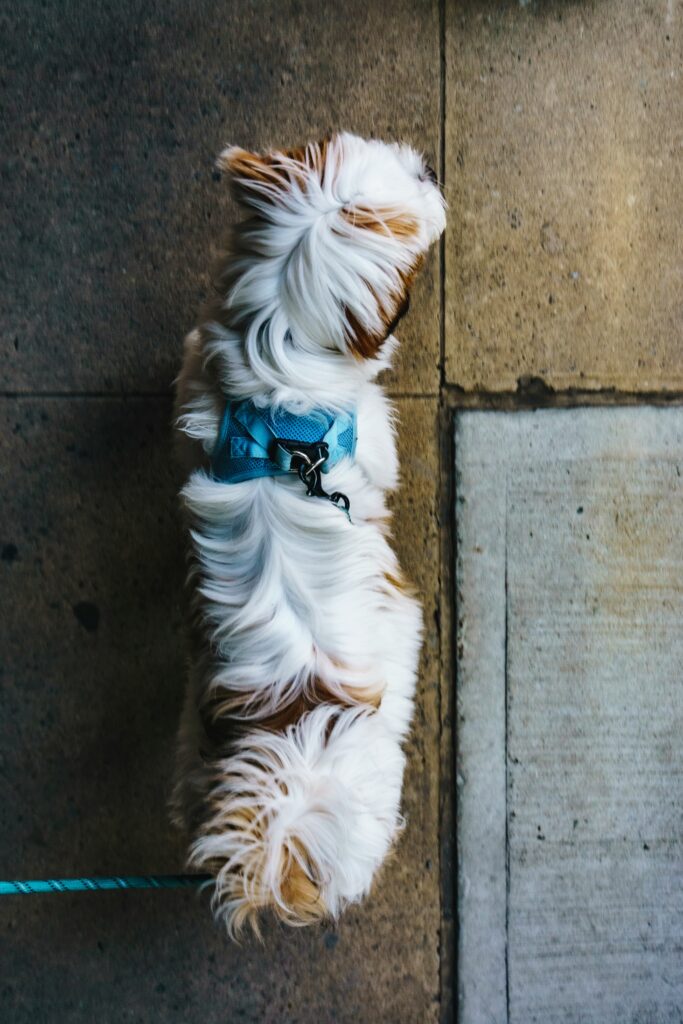
Photo by James Haworth on Unsplash

When scrolling through social media or walking through the neighborhood, it’s easy to fall in love with a dog’s appearance. That fluffy coat, those piercing blue eyes, or that perfectly compact size can capture our hearts instantly. But choosing a dog based on looks alone is like buying a sports car to haul lumber—you might end up with something beautiful that can’t do what you actually need.

The Real Cost of Form Over Function

Dogs weren’t bred to be living sculptures. Each breed was developed for specific work: herding sheep, hunting game, guarding property, or providing companionship. When we ignore these deeply ingrained purposes and select purely on aesthetics, we often create problems for both ourselves and our dogs.

Consider the person who chooses a Border Collie because they’re gorgeous and highly intelligent, but lives in a small apartment and works long hours. That dog’s herding instincts don’t disappear just because there are no sheep around. Instead, they might try to “herd” children, chase cars obsessively, or develop destructive behaviors from unused mental energy.

Matching Energy to Lifestyle

A dog’s function directly relates to their energy requirements and exercise needs. Working breeds like German Shepherds, Australian Cattle Dogs, and Jack Russell Terriers were bred to work all day. They need jobs—real or manufactured ones. If your idea of weekend adventure is binge-watching Netflix, a high-energy working breed will likely become your biggest source of stress rather than joy.

On the flip side, choosing a dog whose function aligns with your lifestyle creates harmony. If you’re an avid hiker, a breed developed for endurance work might be perfect. If you want a calm companion for quiet evenings, breeds developed primarily for companionship will likely fit better.

Special Considerations for Rescue Dogs

When adopting from shelters or rescues, the form-over-function trap becomes even more problematic. Many rescue dogs end up homeless precisely because their original families chose them for the wrong reasons—often based on appearance, size, or impulse rather than compatibility.

Shelter staff and rescue volunteers are invaluable resources for understanding a dog’s actual needs and temperament. They’ve observed these dogs in various situations and can tell you whether that adorable Husky mix actually needs three hours of exercise daily, or if the gentle-looking pit bull mix is actually reactive with other dogs.

Mixed breeds in shelters often carry the traits of their dominant breeds, but these aren’t always obvious from appearance alone. A small, fluffy dog might have significant terrier genetics that manifest as high prey drive and stubborn independence. That medium-sized, calm-looking dog might be part cattle dog and become destructive without proper mental stimulation.

Ask shelter staff or the rescue about the dog’s history if known, their behavior in different situations, exercise requirements, and any behavioral challenges. Many rescues also offer foster-to-adopt programs that let you experience the dog’s true personality in your home environment before making the commitment permanent.

Temperament Runs Deeper Than Training

While training can modify behavior, it can’t fundamentally change a breed’s temperament. Guardian breeds will always be somewhat suspicious of strangers—that’s not antisocial behavior that needs fixing, it’s their job. Terriers will always have prey drive. Retrievers will always want to carry things in their mouths.

For rescue dogs, these traits can be modified by their experiences, but the underlying genetic tendencies remain. A rescue dog who was poorly socialized might be more intense in displaying breed-typical behaviors. However, these traits can be managed and channeled appropriately with patience and understanding. The key is working with a dog’s natural instincts rather than against them.

The Health Connection

Form-focused breeding often emphasizes extreme physical features that can compromise health and function. The shortened airways of flat-faced breeds, the back problems common in elongated breeds, or the joint issues in giant breeds often result from prioritizing appearance over the dog’s ability to breathe, move, and live comfortably.

Many rescue dogs come from backgrounds where health wasn’t prioritized, but mixed breeds often have fewer genetic health issues than purebreds due to hybrid vigor. However, rescue dogs may come with unknown health histories, making it even more important to choose based on current functional needs rather than just appearance.

Finding Your Functional Match

Start by honestly assessing your lifestyle, living situation, and what you want from a dog relationship. Are you looking for a jogging partner, a gentle family companion, a watchdog, or a couch buddy? How much time can you realistically dedicate to exercise, training, and grooming?

When working with shelters or rescues, be upfront about your lifestyle and expectations. A good rescue organization wants to make successful matches and will help guide you toward dogs whose needs align with what you can provide. Don’t be offended if they suggest a different dog than the one that caught your eye—they’re trying to prevent future surrenders.

Consider fostering first if possible. This gives you a realistic picture of what life with that dog would be like and helps you determine if their needs truly match your capabilities.

When the Perfect Match Isn’t Perfect Looking

Some of the best rescue dogs might not photograph well or catch your eye immediately. The overlooked senior dog might be perfectly content with gentle walks and lots of couch time. The plain-looking mixed breed might have the exact energy level and temperament you need. The dog with one ear or a slight limp might be functionally perfect for your lifestyle.

Rescue organizations often have dogs who’ve been returned through no fault of their own—simply because form was chosen over function. These dogs deserve families who understand and appreciate them for what they can offer rather than just how they look.

Beauty in Purpose

This doesn’t mean you have to choose an ugly dog. Most breeds are beautiful in their own right, and there’s something particularly attractive about a dog doing what they were bred to do well. A Border Collie moving sheep with intense focus, a Golden Retriever swimming after a duck, or a Mastiff calmly watching over their family—these dogs exhibit a beauty that comes from purpose and fulfillment.

When function guides your choice—whether you’re buying from a breeder or adopting from rescue—you’re more likely to end up with a dog who’s not only physically appealing to you but also mentally satisfied, behaviorally manageable, and genuinely happy. That contentment and harmony creates its own kind of beauty—one that deepens rather than fades over time.

The right dog for your life isn’t necessarily the most Instagram-worthy one. It’s the one whose natural instincts, energy level, and temperament allow both of you to thrive together. In rescue situations, it might be the dog who’s been waiting the longest because people overlooked their perfect personality in favor of flashier options. Choose wisely, and you’ll have a beautiful partnership built on compatibility rather than just good looks.

Filed Under: Insights

Beyond the Dog Park: Building Real Socialization Skills in Urban Environments

October 1, 2025 by Jennyfer Tan Leave a Comment

Photo by Rui Alves on Unsplash

Why your dog park visits might be creating more problems than they solve—and how to build genuine social confidence in the city.

Common advice: dogs need socialization, cities have dog parks, so spend lots of time there. But after years of observing, and now helping urban guardians with reactivity and anxiety issues, I’ve learned dog parks often create more problems than they solve.

Real socialization isn’t cramming in maximum dog interactions. It’s building confidence, communication skills, and ability to navigate complex city social situations.

Why Dog Parks Often Fail Urban Dogs

The Reality:

  • City parks packed beyond capacity
  • Dogs can’t escape when uncomfortable
  • Overstimulation leads to poor decisions
  • Mixed messages: not ALL dogs should be greeted enthusiastically
  • Genetics ignored—not all dogs enjoy group situations

Counterproductive Results:

  • Learned reactivity from negative experiences
  • “Overstimulation addiction”—normal interactions become boring
  • Poor social skills—pushy, rude behavior
  • Guardian stress affecting dog confidence

Genetics-Informed Socialization Needs

Gun Dogs: Cooperative Learning

Need: Structured activities, human-dog teams, purposeful interactions Better than dog parks: Training classes, organized walks, parallel activities

Herding Dogs: Controlled Environments

Need: Predictable routines, clear rules, manageable social situations Better than dog parks: Small consistent groups, structured classes

Guardian Dogs: Selective Socialization

Need: Respect for natural selectivity, comfortable distance observation Better than dog parks: Neutral territory walks, allowing natural pace

Terriers: Appropriate Outlets

Need: One-on-one interactions, human-focused activities, impulse control Better than dog parks: Individual playdates, structured adventures

Sight Hounds: Low-Key Opportunities

Need: Calm, quiet interactions respecting sensitive nature Better than dog parks: Group walks, café visits, parallel relaxation

Scent Hounds: Investigation-Based

Need: Exploration time while other dogs present, environmental focus Better than dog parks: Sniffing walks, urban exploration groups

Real Urban Social Skills Needed

Skill 1: Neutral Coexistence

Urban dogs encounter dozens of dogs daily—most encounters should be neutral, not social.

  • Practice parallel walks near other dogs
  • Reward calm behavior around dogs
  • Gradually decrease distance while maintaining calm

Skill 2: Appropriate Greetings

Confined urban spaces require controlled interactions.

  • Teach “wait” before any dog greeting
  • Practice with known, stable dogs
  • Build reliable recall around other dogs

Skill 3: Environmental Confidence

Social confidence requires environment confidence.

  • Practice training in complex urban environments
  • Build positive associations with city elements
  • Reward calm exploration of new spaces

Skill 4: Human Social Navigation

Urban dogs interact more with humans than dogs.

  • Practice polite greetings with invited interactions
  • Ignore inappropriate human attention
  • Remain calm in crowded human environments

Better Alternatives to Dog Parks

Structured Classes: Controlled environment, professional supervision, specific goals

Urban Adventure Groups: Real-world practice, varied environments, purposeful activity

Parallel Training: Learning while dogs present without forced interaction

Café Socialization: Human social practice, calm environments

Walking Groups: Familiar routes, consistent members, natural movement

Creating Your Plan

Assessment (Weeks 1-2): Evaluate current skills, identify goals based on genetics Foundation (Weeks 3-8): Basic skills in low-distraction environments Development (Weeks 9-16): Add complexity gradually, monitor progress Application (Week 17+): Real-world practice, handle unexpected encounters

Troubleshooting Common Issues

Reactive to other dogs: Address root cause (fear/frustration), focus on distance Too excited around dogs: Manage arousal, teach impulse control Ignores you around dogs: Build relationship value, use better rewards Fine with dogs, reactive to people: Focus on human socialization skills

The Bottom Line

Quality over quantity. Success isn’t measured by dog park hours—it’s your dog’s ability to navigate urban social situations with confidence while respecting their genetic predispositions.


Build Real Social Confidence for City Living

Ready to move beyond the dog park chaos and build genuine social skills that work in the real urban world? My ebook “The Urban Dog Dilemma: A Genetic Guide to City Living” includes the complete genetics-informed socialization system that creates confident, well-adjusted city dogs.

You’ll learn:

  • How to assess your dog’s genetic socialization needs
  • Breed-specific alternatives to problematic dog parks
  • The four essential urban social skills every city dog needs
  • How to build environmental confidence that supports social success
  • Troubleshooting guides for reactivity, over-excitement, and fear
  • Progressive training plans that respect your dog’s individual temperament

Stop forcing your dog into situations that work against their nature. Get the socialization system that builds genuine confidence through genetics-informed approaches.

[Get “The Urban Dog Dilemma” ebook now → https://books2read.com/b/urbandogdilemma

Filed Under: Urban Living

What Raising My Child with Autism Taught Me About Understanding ‘Difficult’ Dogs

September 29, 2025 by Jennyfer Tan Leave a Comment

Photo by mehdi farokhanari on Unsplash

This post is part of the Dogs & Neurodivergent Families series — an ongoing collection of essays on what it actually looks like when a reactive dog and a neurodivergent family member share a home. Written from two perspectives: Certified Family Dog Mediator and parent. You can read the series from the beginning here, or jump to any post below.


As both a Family Dog Mediator and a parent of a twice-exceptional young adult with autism, I’ve lived in two worlds that share more similarities than most people realize. The same patience, understanding, and individualized approach that helps me work with reactive or “difficult” dogs has been essential in raising my gifted child with autism through years of inflexibility, hyperfocus, and what others might call “stubborn” behavior.

The L.E.G.S.® framework—Learning, Environment, Genetics, and Self—has been my roadmap for both, I just didn’t realized it. Just as we wouldn’t punish a dog for being triggered by their genetics or environment, we can’t expect traditional parenting methods to work for a neurodivergent child whose brain simply processes the world differently.

Learning: Different Doesn’t Mean Deficient

When my child was younger, people would often say, “They’re so smart, but they just won’t…” Fill in the blank: follow directions, transition between activities, work on non-preferred tasks. Sound familiar to anyone who’s heard “Your dog knows better, they’re just being stubborn”?

Both scenarios miss the point entirely. My child wasn’t choosing to be difficult any more than a reactive dog is choosing to lunge at other dogs. They were both responding to their neurological wiring in the only way they knew how.

In dog training, we’ve learned that a dog who can “sit” perfectly at home might completely fall apart at the dog park. Their learning is context-dependent, affected by stress, excitement, and environmental factors. The same is true for individuals with autism. My child could explain complex scientific concepts and conduct detailed research but couldn’t handle the unpredictability of fire drills. They could hyperfocus on special interests for hours but needed extensive support to transition to dinner.

Understanding this meant adjusting our approach. Just as we set dogs up for success by managing their environment and breaking down learning into manageable steps, we learned to scaffold my child’s learning around their strengths while accommodating their processing differences.

Environment: The Hidden Game-Changer

Every dog trainer knows that environment is often the missing piece in behavior modification. A dog might be perfectly behaved at home but reactive on busy streets. Change the environment, change the behavior.

The same principle transformed our family life. We stopped trying to force my child into environments that set them up to fail and started crafting spaces where they could thrive. Noise-canceling headphones for overwhelming spaces. Predictable routines during chaotic times. Quiet corners for decompression.

I remember watching other parents judge us for “accommodating” our child’s needs—the same way some dog guardians judge force-free training as “spoiling” their dogs. But here’s what I learned from both experiences: meeting someone where they are isn’t spoiling them. It’s giving them the foundation they need to succeed.

When we stopped seeing accommodations as weakness and started seeing them as smart management, everything shifted. Just like how we don’t blame a noise-phobic dog for needing a safe space during fireworks, we stopped expecting our child to simply “get over” sensory overwhelm or executive functioning challenges.

Genetics: Playing the Hand You’re Dealt

In dog training, we talk about genetic predispositions all the time. A Border Collie isn’t being “difficult” when they try to herd children—they’re being a Border Collie. A rescue dog with unknown genetics might have triggers we never anticipated.

Autism works similarly. My child’s brain is beautifully, authentically designed differently. Their need for routine isn’t a character flaw—it’s neurological architecture. Their hyperfocus isn’t laziness when they struggle with non-preferred tasks—it’s how their attention system works.

The breakthrough came when we stopped fighting against their genetic makeup and started working with it. Instead of seeing their inflexibility as a problem to fix, we learned to see it as information about how their brain works best. We built structure around their need for predictability, just like we’d manage a genetically anxious dog’s triggers.

This doesn’t mean we never challenged our child to grow—just like we still train dogs with genetic predispositions. But we did it with realistic expectations and appropriate support, honoring who they are while helping them develop coping strategies.

Self: Honoring the Individual

Here’s where both dog training and parenting children with autism get deeply personal. Every dog is an individual, even within breeds. Every person with autism is unique, even with shared characteristics. The methods that work for one might completely backfire with another.

With my child, I had to let go of comparing them to neurotypical peers, just like I help dog families stop comparing their reactive rescue to the perfectly trained Golden Retriever next door. My job wasn’t to make my child “normal”—it was to help them become the best version of themselves.

This meant celebrating their intense interests instead of trying to broaden them. It meant finding their communication style instead of forcing them into neurotypical social norms. It meant understanding that their way of showing love and connection might look different from what I expected.

The Real Magic: Relationship Over Compliance

Both dog training and autism parenting taught me that relationship trumps compliance every time. I could have spent years trying to force my child into neurotypical behaviors, just like dog guardians spend years trying to dominate their way to obedience. But neither approach builds trust or long-term success.

Instead, when I approached both my dogs and my child with curiosity rather than judgment, everything changed. “What are you trying to tell me?” became more important than “Why won’t you just do what I ask?”

Let me be clear—this wasn’t a magic transformation that happened overnight. Even now, I still have moments where I lose my patience, where I default to old patterns of thinking, where I catch myself expecting my child to just “get it” without the support they need. There are days when I’m tired, overwhelmed, and I forget everything I know about neurodivergent brains and start expecting neurotypical responses.

But here’s what I’ve learned: those moments don’t make me a failure as a parent any more than a dog having a reactive episode means their training has failed. They’re both information about stress, capacity, and the need to step back and regroup. When I catch myself slipping into impatience or frustration, I take a deep breath and remember why I’m doing this differently in the first place—because my child deserves to be understood and supported exactly as they are, not molded into who I think they should be.

Now, as my child has grown into a capable young adult, I see the payoff of this approach. They’ve learned to advocate for their needs, develop strategies that work with their brain instead of against it, and build authentic relationships based on mutual understanding.

The same transformation happens with dogs when families stop trying to suppress natural behaviors and start channeling them appropriately. It’s not about lower expectations—it’s about better understanding.

The Takeaway for All Families

Whether you’re living with a dog who resource guards or a child who struggles with transitions, the L.E.G.S.® framework offers a compassionate roadmap. Look at learning styles, modify environments, respect genetics, and honor the individual in front of you.

Both experiences have taught me that “difficult” behaviors are often just misunderstood communication. When we take time to listen—really listen—we usually find that what looks like defiance is actually a nervous system doing its best to cope.

And in both cases, the families who embrace this understanding don’t just solve behavior problems—they build deeper, more authentic relationships based on acceptance and accommodation rather than control and compliance.

That’s the real gift of thinking differently about both dogs and neurodivergent children: we learn that love isn’t about making someone fit our expectations. It’s about understanding who they are and helping them thrive exactly as they are.


If the L.E.G.S.® framework is new to you — or if you’ve been trying to understand why your dog behaves the way they do without a clear answer — a Behavioral and Wellness Assessment is where that understanding starts. We look at Learning, Environment, Genetics, and Self together, and build from there. Understanding before strategies, always.
Continue reading: Stop Drilling Commands, Start Teaching Skills →

________________________________________________________________________________________________________________
The Dogs & Neurodivergent Families Series
What Raising My Child with Autism Taught Me About Understanding ‘Difficult’ Dogs
Stop Drilling Commands, Start Teaching Skills: A Mom and Dog Trainer’s Perspective
Progress Is Not a Straight Line
What Your Dog Is Living Through in a Neurodivergent Home
Two Nervous Systems, One House: When Your Dog and Your Child Are Both Dysregulated (coming soon)
Choosing a Dog When You Have a Neurodivergent Child: What the Breed Lists Don’t Tell You (coming soon)
The Bond That Looks Different: When Your ND Child and Dog Find Each Other (coming soon)
What Nobody Tells You About Having a Dog in a Neurodivergent Home (coming soon)

Filed Under: Dogs & Neurodivergent Series, Insights

Why Talking to Your Dog Like a Toddler Actually Works

September 27, 2025 by Jennyfer Tan Leave a Comment

Photo by Alexey Demidov on Unsplash

You know that voice you use with your dog? The one where you ask, “Who’s a good boy? Are you hungry? Should we go outside?” in that sing-song tone that makes you sound slightly ridiculous? Well, science has some great news: you’re not being silly – you’re being smart.

Your dog’s brain loves baby talk

Recent research shows that dogs’ brains literally light up when they hear the high-pitched, melodic way we naturally talk to them. Just like human babies respond better to “parentese” (that exaggerated, musical way we talk to infants), dogs are hardwired to pay attention when we use that same conversational style.

Think about it: when you say “Sit!” in a sharp, commanding tone versus “Would you like to show me a beautiful sit?” in your sweet dog voice, which one gets better results? Most dog parents instinctively know the answer, and now neuroscience backs it up.

Dogs can actually hear much higher pitches than we can, making them incredibly sensitive to the musical qualities of our voices. When we use conversational tones, we’re speaking their preferred language.

It’s all about connection, not control

Here’s what’s fascinating: dogs evolved alongside humans for thousands of years as partners, not servants. They’re naturally wired to cooperate with us, not just obey commands. When we treat training like a conversation rather than a drill session, we tap into that ancient partnership.

Instead of repeatedly shouting “Come!” try something like, “I wonder if you’d like to come see what I have over here? This looks pretty interesting!” You’re giving your dog context, making them a participant in the decision, and showing respect for their intelligence.

Real examples that work

Traditional approach: “No! Down! Stay!”
Conversational approach: “I can see you’re excited about our visitor. Let’s try lying down so you can say a calm hello.”

Traditional approach: “Heel!” (repeated constantly)
Conversational approach: “That’s an interesting smell, isn’t it? Should we check it out together, or keep walking?”

Traditional approach: “Get in the car!”
Conversational approach: “Time for a car ride! I know this part feels tricky, but you’re so brave.”

Notice how the conversational approach acknowledges your dog’s feelings, provides context, and treats them as a thinking partner rather than just a rule-follower.

Why this matters for your relationship

Dogs who receive conversational communication show less stress, learn faster, and have stronger bonds with their humans. They become active participants in their training rather than just trying to avoid making mistakes.

This approach is especially helpful for anxious or sensitive dogs. When you acknowledge their feelings (“I see that noise worried you”) and explain what’s happening (“We’re just going to the vet for a quick check-up”), you help them feel more secure and understood.

Making the switch is easier than you think

You don’t need to throw out everything you’ve learned about training. Simply expand your commands into friendly conversations while keeping the same meaning:

  • “Sit” becomes “Could you show me a sit?”
  • “Stay” becomes “I’ll be right back – can you wait here for me?”
  • “Come” becomes “I’d love for you to come join me over here”

The magic happens when you start explaining things to your dog the way you would to a young child. “After we eat breakfast, we’ll go to the park.” “I know you don’t love baths, but they help you feel clean and comfortable.”

The bottom line

That instinct to chat with your dog isn’t embarrassing – it’s exactly what their brain craves. Dogs are incredibly social, intelligent animals who thrive on communication and connection. When we honor that by treating them as conversation partners rather than command-followers, everyone wins.

So go ahead, explain to your dog why they can’t eat that mysterious sidewalk snack, tell them about your day, and ask them questions in that ridiculous voice. Your dog’s tail-wagging response is proof that you’re doing something very, very right.

Filed Under: Learning

Breed-Specific Urban Success: Tailoring City Life to Your Dog’s Genetics

September 24, 2025 by Jennyfer Tan Leave a Comment

Photo by James Haworth on Unsplash

Why your Border Collie is climbing the walls and your Great Pyrenees thinks every delivery person is a threat—and what to do about it.

Your dog’s biggest challenge in the city isn’t size or training—it’s genetics. Every breed was designed for specific jobs, and those drives don’t disappear in an apartment. When we ignore these built-in needs, we create “genetic frustration”—problem behaviors that are actually your dog trying to do what they were bred for.

Using applied ethologist Kim Brophey’s breed group system, here’s how to honor your dog’s genetics in the city:

Gun Dogs (Labs, Goldens, Pointers)

The Challenge: Bred for all-day hunting, they become destructive without mental work.

City Solutions:

  • Morning puzzle feeding before your coffee
  • “Find it” games in apartment hallways
  • Assign jobs: carry mail, retrieve slippers
  • Seek out water features for psychological needs

Red Flag: Hyperactive after walks? They need mental work, not more exercise.

Herding Dogs (Border Collies, Shepherds, Corgis)

The Challenge: Control-oriented dogs overwhelmed by city chaos.

City Solutions:

  • Predictable daily routines and walking routes
  • Teach them to organize toys by type/color
  • Create “management stations” using furniture
  • Indoor obstacle courses

Red Flag: Excessive barking or nippy behavior means they need more structure.

Guardian Dogs (Great Pyrenees, Mastiffs, Rottweilers)

The Challenge: Hardwired to make security decisions, but cities have constant “threats.”

City Solutions:

  • Train clear “on duty/off duty” commands
  • Provide elevated watching posts
  • Establish visitor protocols
  • Gradual city sound desensitization

Red Flag: Reactive to every sound? They need clearer job descriptions.

Terriers (Jack Russells, Yorkies, Bull Terriers)

The Challenge: Independent hunters redirecting drives toward inappropriate targets.

City Solutions:

  • Hide treats for “hunting” games
  • Provide digging alternatives (snuffle mats, sandbox)
  • Short, intense play sessions
  • Allow some choice in daily routines

Red Flag: Obsessive behavior toward moving objects indicates unmet hunting needs.

Sight Hounds (Greyhounds, Whippets, Salukis)

The Challenge: Sprinters frustrated by leash laws and small spaces.

City Solutions:

  • Find secure areas for safe running
  • Use long hallways for indoor sprints
  • Position beds for safe “people watching”
  • Provide multiple soft resting spots

Red Flag: Restless or depressed? They need speed opportunities.

Scent Hounds (Beagles, Bloodhounds, Bassets)

The Challenge: Nose-driven dogs restricted from investigation.

City Solutions:

  • “Scent walks” where your dog chooses the pace
  • Create indoor tracking games
  • Regular new environment exploration
  • Extended food puzzles for nose work

Red Flag: Frustrated pulling suggests they need more sniffing time.

Bull Dogs (English Bulldogs, French Bulldogs, Boston Terriers)

The Challenge: Physical limitations often misunderstood as stubbornness.

City Solutions:

  • Temperature management (cooling mats, heating options)
  • Low-impact mental exercise over physical exertion
  • Learn their subtle communication signals
  • Frequent rest breaks without pressure

Red Flag: Resistance to exercise may indicate breathing or temperature issues.

Toy Dogs (Chihuahuas, Papillons, Cavaliers)

The Challenge: Treated as accessories rather than dogs with real needs.

City Solutions:

  • Elevated safe observation spots for confidence
  • Real jobs despite small size (tricks, routines)
  • Protection from overwhelming situations
  • Weather gear for outdoor comfort

Red Flag: Snappy or anxious behavior means they need more confidence-building.

Natural Dogs (Carolina Dogs, Primitive Breeds)

The Challenge: Wild-type behaviors need diverse experiences.

City Solutions:

  • Regular introduction of new environments
  • Allow natural behaviors when safe (digging, exploring)
  • Flexible training respecting independence
  • Multi-sensory experiences (climbing, balancing)

Red Flag: Restlessness indicates they need more environmental variety.

World Dogs (Korean Village Dogs, Philippine Aspins, Southeast Asian Kampong Dogs)

The Challenge: Multiple breed characteristics make needs harder to predict.

City Solutions:

  • Individual assessment through observation
  • Trial activities from different breed groups
  • Flexible approach as you learn what works
  • Professional guidance for complex cases

Red Flag: If standard approaches aren’t working, they likely need individualized assessment.

The Bottom Line

Work WITH your dog’s genetics, not against them. Understanding breed drives eliminates many urban behavioral problems naturally.

Ready to dive deeper? Download my free Urban Dog Assessment Tool to identify your dog’s breed characteristics and get a customized city success plan.

Filed Under: Genetics, Urban Living

  • « Go to Previous Page
  • Page 1
  • Interim pages omitted …
  • Page 3
  • Page 4
  • Page 5
  • Page 6
  • Go to Next Page »

Blog Categories

  • Dogs & Neurodivergent Series
  • Genetics
  • Insights
  • Learning
  • Myth-Busters
  • Urban Living

Work With Me

Single Dog Assessments


Multi-Dog Assessments

Products

  • The Canine Enrichment Vault: Your Lifetime Toolkit for Dog Behavioral Wellness The Canine Enrichment Vault: Your Lifetime Toolkit for Dog Behavioral Wellness $17.00

Under the Same Roof on Spotify

ABOUT

Jennyfer Tan is a Certified Family Dog Mediator and Professional Dog Trainer based in Vancouver, BC, serving families worldwide. She provides comprehensive behavioral and wellness assessments for all dogs—from everyday companions to those with complex needs—using the science-based L.E.G.S.® model + Total Welfare and Four Pillars Approach. Understanding before strategies, always.

Certifications

Follow Us

  • Facebook
  • Instagram
  • Pinterest

Copyright © R+R Canine Consulting2026 · Website by Fancy Girl Design Studio